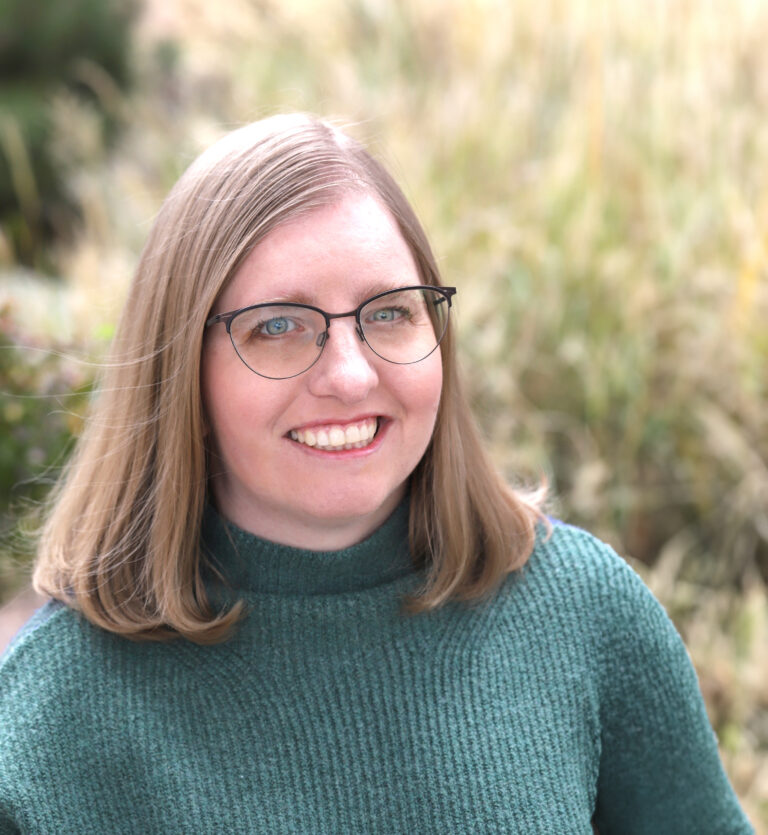
“I Collect Smiles and Happy Memories”: Emilia’s Story

“I always say that I collect smiles and happy memories.”
Emilia loves running, hiking, cycling, and tennis. She loves traveling and spending time with friends. She works full-time in a demanding job.
She also has 18 medical providers actively working on her case. She usually has five or more medical appointments a week, and she takes more than 40 prescription medicines every day.
For about 20 years, Emilia has lived with chronic pelvic pain.
Where It Began
As a child, Emilia fractured her spine in three places. The injury significantly affected her pelvic region, and she has lived with persistent pelvic pain ever since.
“The biggest challenge has been how much the pain limits my everyday life,” she says. “I love being active, exercising, traveling, and spending time with friends, but even simple activities can on a bad day trigger significant pain.”
She also lives with other complex health conditions, so planning ahead is hard. “I never know how my body will feel from one day to the next. It is physically and emotionally exhausting to constantly adjust my life around pain, especially when all I want is to live a normal, active, and independent life.”
Seven Surgeries Before Anyone Asked the Right Question
Like many women with complex gynecologic pain, Emilia spent years looking for care that saw the whole picture.
“For years, my symptoms were treated individually rather than as part of a bigger picture, and I often felt like I was being passed between specialists without anyone connecting the dots.”
She went through seven colorectal surgical procedures before anyone suggested looking at endometriosis and gynecological factors as sources of her pelvic pain.
In the end, it took specialists from three different hospitals across the U.S. working together to properly diagnose her. That has meant a lot of travel back and forth.
She calls the search “incredibly frustrating and emotionally exhausting.” She had to keep advocating for herself while living with severe pain. She has now found specialists who take her concerns seriously. Getting there took years of searching, countless appointments, and significant financial resources.
Trying Everything
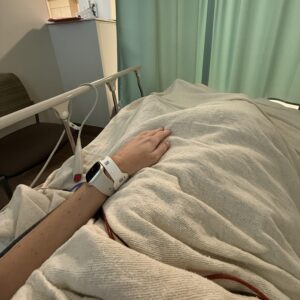
Emilia has tried a long list of treatments: pelvic floor physical therapy, medications, pain management, trigger point injections, and most recently, laparoscopic surgery for endometriosis.
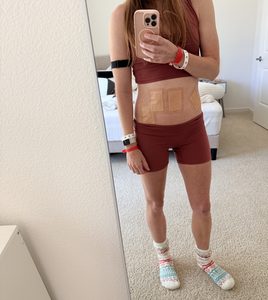
Surgery improved some of her symptoms. Pelvic floor physical therapy has been especially helpful in managing her ongoing pain. “However, progress is gradual,” she says, “and I still require consistent, specialized treatment to improve my quality of life.”
The Hidden Weight
Chronic pain doesn’t stay in the body. Emilia has struggled with depression for many years, and the pain has taken a significant toll on her mental health.
“I genuinely try to stay positive, hopeful, and make the most of life, but it can be incredibly difficult when so much of my energy goes toward managing pain and simply getting through the day.”
It has affected her relationships too. She often cancels plans or misses out because of her symptoms, which she says “can feel incredibly isolating.” It has also made romantic relationships and physical intimacy particularly challenging. “I try not to let my health define my relationships, but it is difficult when my limitations affect both what I can do and how much energy I have for the people I care about.”
[IMAGE: hospital photo #2]
What She Hopes For
Emilia isn’t asking for a miracle.
“My goal is not necessarily to be completely pain-free, but to regain my independence, enjoy the activities I love, and experience physical intimacy without pain. Most importantly, I want to spend more of my life actually living rather than managing my health.”
She wants a provider who “genuinely listens, takes my concerns seriously, and sees me as a whole person rather than a collection of diagnoses.” She wants someone who understands that quality of life matters as much as treating individual symptoms.
The right care, she says, “would give me back a sense of freedom and control over my own life. After spending most of my life adapting to pain, I would love to make decisions based on what I want to do rather than what my body allows me to do.”

The Cost of Care
Even with good insurance, Emilia has personally paid well over six figures out of pocket for healthcare over the past several years.
“I have invested so much of my time, energy, and savings into managing my health, and the financial burden has become overwhelming,” she says.
Financial help would let her keep up the treatment that’s helping her, “without having to choose between my health and financial stability. It would mean more than just financial relief; it would give me hope for a better quality of life.”
Collecting Moments
Emilia has come close to losing her life because of her health challenges. That experience, she says, taught her how precious life really is.
“I always say that I collect smiles and happy memories. While others might dream of collecting designer handbags or expensive shoes, I dream of collecting experiences, laughter, and moments that make life worth living. That’s what keeps me going.”
“I don’t take the opportunity to live, explore, and experience the world for granted. I just wish it didn’t have to be such a constant struggle to do so. I am incredibly grateful for the people and organizations who help make that journey a little easier.”
[IMAGE GALLERY: outdoor activity photos #3 and #4]


Want to hear more stories like Emilia’s?
Subscribe to our newsletter for client stories, updates, and ways to help.
Subscribe here.