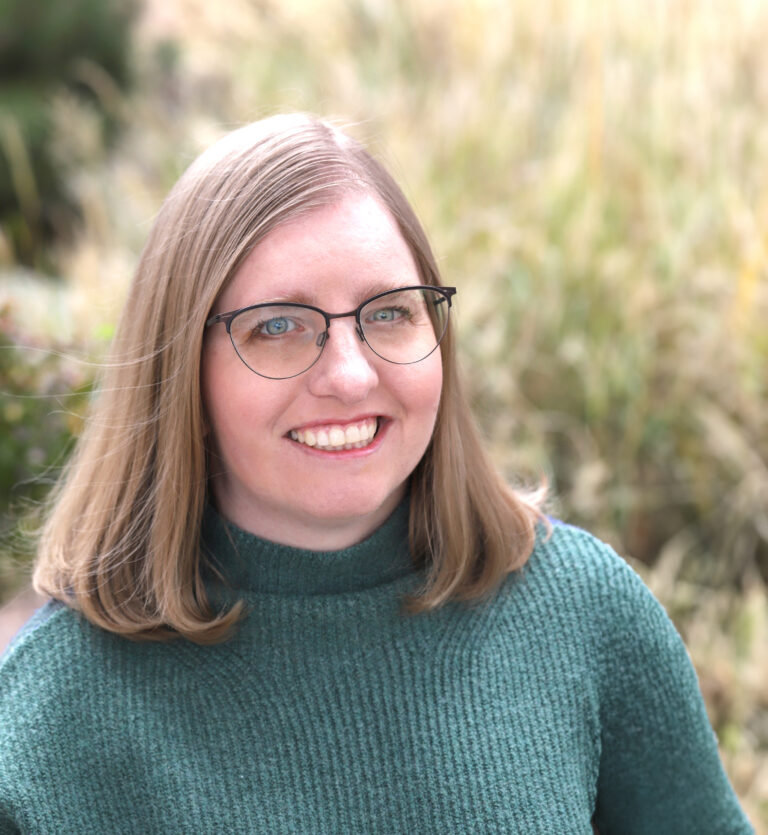
Steph’s Story: Thirty Years of Searching for Answers
Steph has been living with gynecologic pain since adolescence — more than 30 years of symptoms that have included endometriosis, likely adenomyosis, PCOS, stage 2a ovarian cancer, and now, surgical menopause.
Dismissed and Without Answers
For most of that time, getting answers felt impossible. Her symptoms were constant and disruptive, sometimes physically overwhelming — including prolonged, heavy bleeding that made it hard to function day to day. And yet, appointment after appointment, she left without real answers or a plan. Her concerns were explained away: attributed to weight, stress, or mental health. The dismissal was exhausting in its own way, layered on top of the pain itself.
A Diagnosis That Changed Everything
It wasn’t until she was diagnosed with ovarian cancer that her symptoms were finally taken seriously. That moment was validating — but also hard to sit with, knowing she had spent years asking for help before anyone looked deeper.
Cancer Treatment and What Came After
Cancer treatment brought its own challenges. Surgery and chemotherapy in her early 40s intensified many of her existing symptoms and, over time, impacted her ability to keep working. When treatment led to sudden surgical menopause, the gynecologic challenges didn’t go away — they changed shape. Today, Steph navigates pelvic floor dysfunction, vulvovaginal disorders, cognitive difficulties, and shifts in mood and energy that continue to affect her daily life.
Trying Everything, Feeling Fragmented
Throughout the years, she tried everything she could find — elimination diets, physical therapy, psychiatric medications, talk therapy, and various supplements and treatments for symptom management. Some things helped, partially, temporarily. But her care never felt coordinated. It felt fragmented, and she was the one responsible for connecting the dots.
The Invisible Toll
Living with chronic pain while feeling unheard for so long has been isolating. Because so much of what she experiences isn’t visible to others, it has affected her relationships and her sense of herself — as a friend, a partner, a family member. It required her to become her own advocate in ways she never expected, just to keep moving forward.
Finding Care That Finally Fit
Her first appointment with Dr. Babb was different. He listened. He applied specialized expertise in a way that made her symptoms feel not just understood, but actionable. For Steph, that was something she hadn’t experienced before — a sense of clarity and direction after decades of uncertainty, and the feeling that she wasn’t navigating this alone anymore.
What she’s looking for is simple: to be listened to and believed, by providers who are curious, who are transparent in their thinking, and who can see how all the pieces of her health fit together. After more than 30 years, that kind of care is making all the difference.
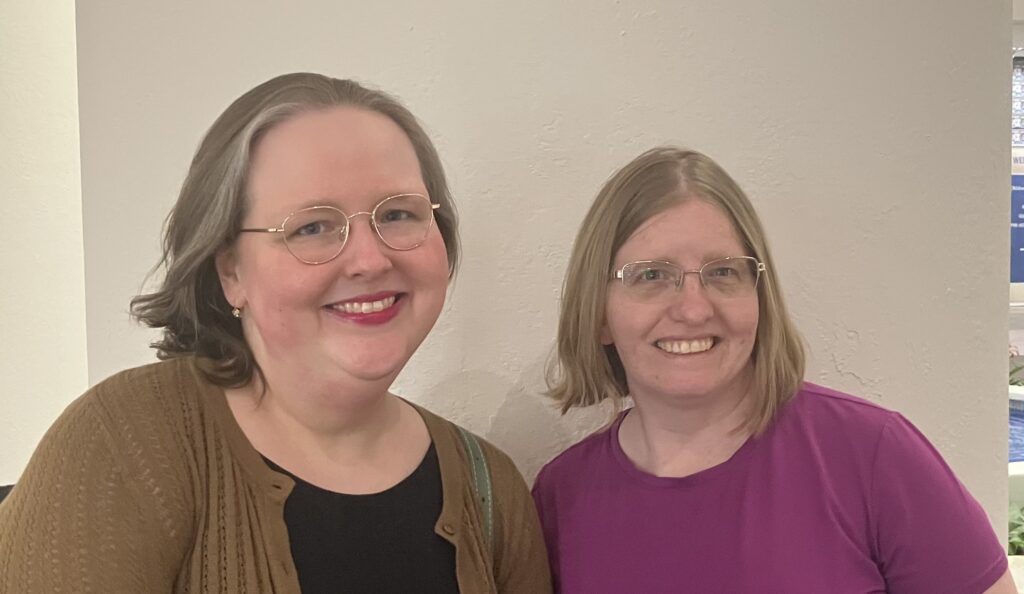
Steph’s story holds a special place in The Aziza Project’s history. When Executive Director Stephanie traveled to Tulsa in March, meeting Steph marked the first time she had ever been able to meet an Aziza Project client in person — a milestone moment for our organization, and one that serves as a powerful reminder of the real people behind every story we share.
Your contributions to our Travel & Medical Expense fund ensure that we can continue to offer hope to people suffering from complex gynecologic pain. The Aziza Project is a project of Visions Made Viable, a 501(c)(3) nonprofit registered in California, making your donation tax-deductible. Donate to our Medical Expenses Fund today.